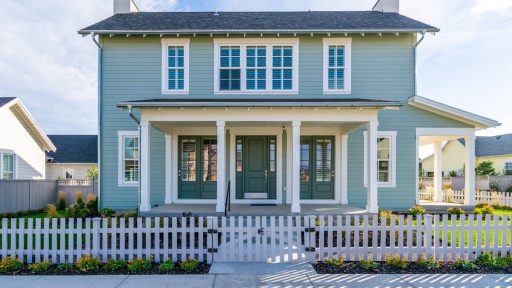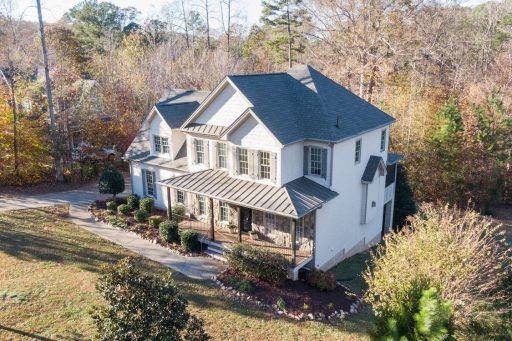
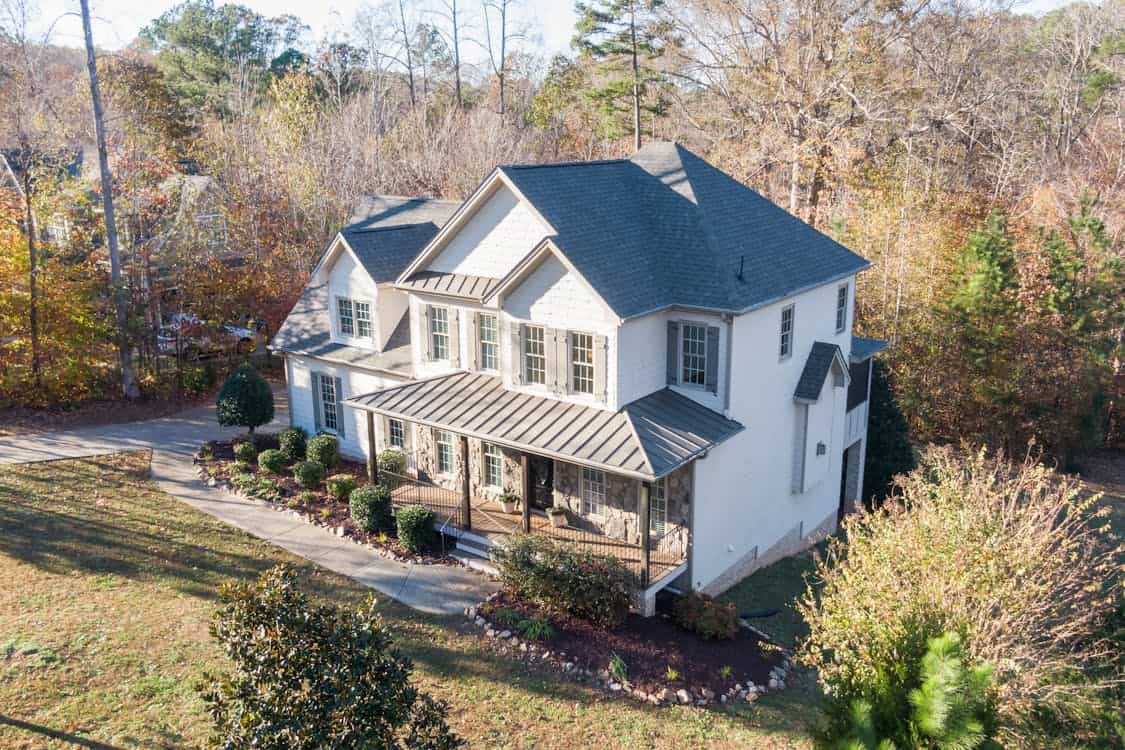

Texas has always been big on extremes and that has left a mark on rooftops across the state. Summers bake shingles and warping shows up where a mild climate once promised a long service life.
Spring and winter storms bring sudden hail and wind that test older roofs like they were new parts on a short fuse. Rising repair bills, stricter insurance rules and homeowner impatience have forced a real look at what we put over our heads.
Changing Climate Patterns And What They Mean For Roofs
Longer heat spells and sharper swings between wet and dry put stress on materials that were never built for such frequent strain. Asphalt shingles expand and shrink in cycles that open seams, let water crawl under layers and make granules fall off faster than expected.
In many neighborhoods, the granule layer slowly disappears in high UV climates, leaving shingles exposed to faster deterioration and moisture intrusion.
When storms come on with more punch, flashing and underlayment that were fine a decade ago show their age and can fail in ways that are costly to find and fix. Roofing makers and contractors are now testing products in labs and in real weather to see which ones hold up in a place where the weather writes its own rules.
Heat Stress And UV Damage Are Raising Stakes
Intense sunlight and high ambient temperatures wear away binders in asphalt and strip protective oils from composite tiles, shortening service life in a hurry. Heat also sends attic temperatures sky high, which forces HVAC systems to run longer and drives energy bills up, making the roof part of a home energy conversation.
Some homeowners start to treat a roof like a long term finish that affects comfort and cost, not just a cover that keeps rain out. That shift in thinking pushes interest toward materials that resist ultraviolet breakdown and reflect more energy back into the sky.
Hail And Wind Demand Tougher Choices
Northern and central parts of Texas see hailstones that can batter a roof like a hail of small missiles and leave dents buyers notice the minute a claim is filed. Wind uplift is another story where fast gusts can peel off edges or lift whole sections when installation is less than perfect.
Materials rated for higher impact and fastening methods that lock in place are rising in popularity because they reduce the need for frequent repairs and the drama of emergency tarps. Homeowners and insurers alike are starting to prefer roofs that ride out a storm rather than add to it.
Heavy Rains And Ponding Create New Weak Points
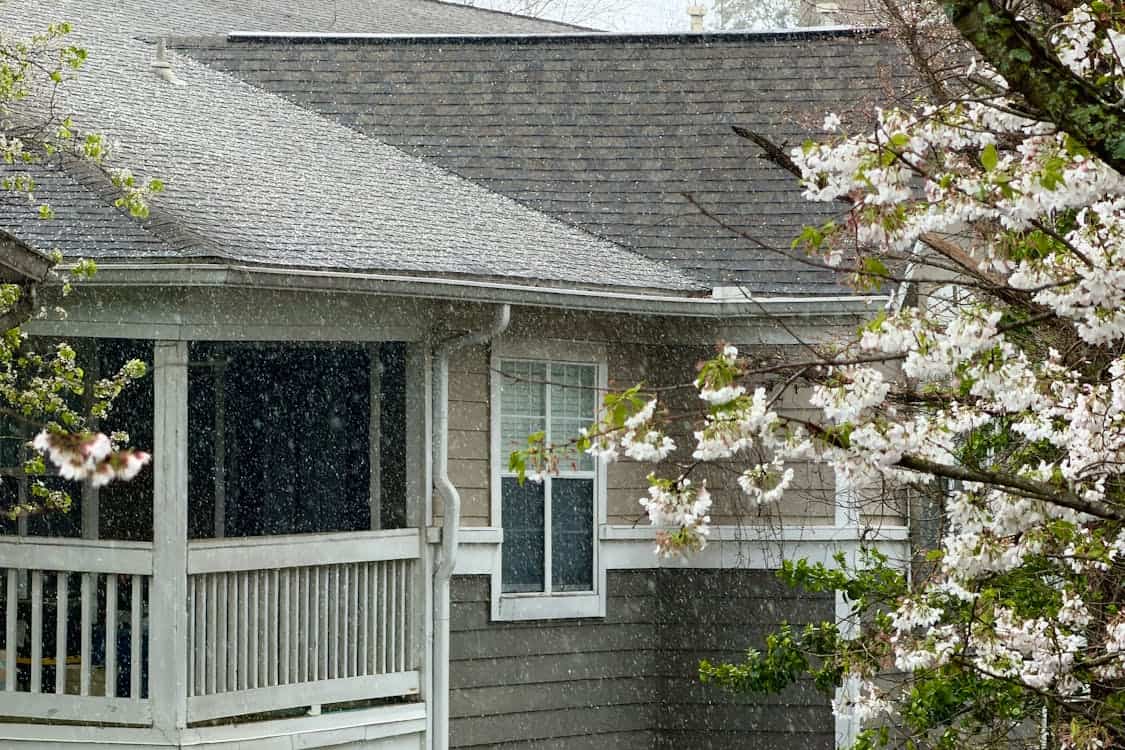
Flash floods and intense downpours test drainage systems and flat roof areas where water pools for longer than older designs assumed they would. Pooled water accelerates deterioration of membranes and seams, and it invites leaks that show up as stains on ceilings some time later.
Roof slope design, gutter capacity and underlayment quality all matter more now that hours of intense rain can follow hours of drought. That reality is pushing builders to talk about drainage early in a project and to choose surfaces that can handle standing water without softening or splitting.
Insurance And Building Code Shifts Push Material Swap
Insurance companies are reacting to a stream of claims by tightening coverage and raising premiums when a roof is older or made from materials with known failure patterns. Local permitting and code officials are also updating requirements to reflect newer testing standards aimed at wind uplift and fire resistance, which changes what gets approved on replacement projects.
Those two forces together nudge homeowners toward materials that meet higher ratings and at times qualify for discounts or faster approvals. As payments and paperwork become part of the roofing calculus, price alone loses some of its old pull.
Metal Roofing Is Gaining Ground In Many Markets
Metal sheets and metal tiles have become a common answer in areas where wind and hail are front and center, because metal can resist impact and will not curl under heat like organic shingles do. This material also offers longevity measured in decades rather than years and can be installed over existing layers in some cases, cutting time at the job site.
The look is no longer only for barns, since modern metal gives a range of profiles and colors that work with many home styles. Upfront cost is higher, but lower maintenance and fewer insurance headaches make it an attractive total cost story for many households.
The Rise Of Cool Roofs And Reflective Coatings
Reflective surfaces and light colored membranes stop a lot of heat before it becomes inside heat, and that has real effects on comfort and energy use during long summers. Coatings that restore reflectivity can be a rehab move that extends life for another season or two while new material options offer built in reflectivity that lasts.
Community groups and builders are starting to factor the energy savings into the decision to choose a reflective option, particularly in dense neighborhoods where roofs add up to a lot of wasted heat. These coatings are a practical example of small changes adding up to measurable benefits on monthly utility statements.
New Composite Materials Offer A Middle Ground
Innovations in polymers and reinforced composites attempt to combine the best of multiple worlds, creating shingles and tiles that mimic traditional looks but resist cracking, UV decay and impact damage. These materials often use recycled inputs and complex layering to give strength without a lot of extra weight on rafters and trusses.
For homeowners who like the look of slate or wood shakes but do not want the cost or fragility, composites provide a way to get style with durability close at hand. Test data and early field results make contractors more willing to recommend them when a customer asks for longevity with curb appeal.
Labor And Supply Chains Influence Material Adoption
Even the best product fails without skilled installation, and the roofing trades are stretched thin in many parts of Texas after long seasons of storm repairs and record demand. Availability of certified crews and the lead time for specific materials shape what owners end up choosing, because a quick reliable roof can be worth paying for when water is coming in.
Local supply chains that stock options and training programs that spread best practices help get durable solutions on roofs faster and with fewer callbacks. That human factor keeps the conversation anchored in real world trade-offs that include time on site, warranty follow through and the quality of the final seal.
What Homeowners Are Asking For Today
People who buy or replace roofs now talk about life span and total cost over a decade rather than sticker price for a single year, and that changes which lines get offers at the top of a sales sheet. They ask about hail ratings, wind ratings, reflectivity and whether a roof can be repaired by local crews if damage happens after a storm.
A lot of decisions come down to trade offs that match a house to its micro climate and to the tolerance an owner has for noise, look and up front investment. That pragmatic approach is reworking the roofing market one job at a time and shaping the next generation of products and standards.