

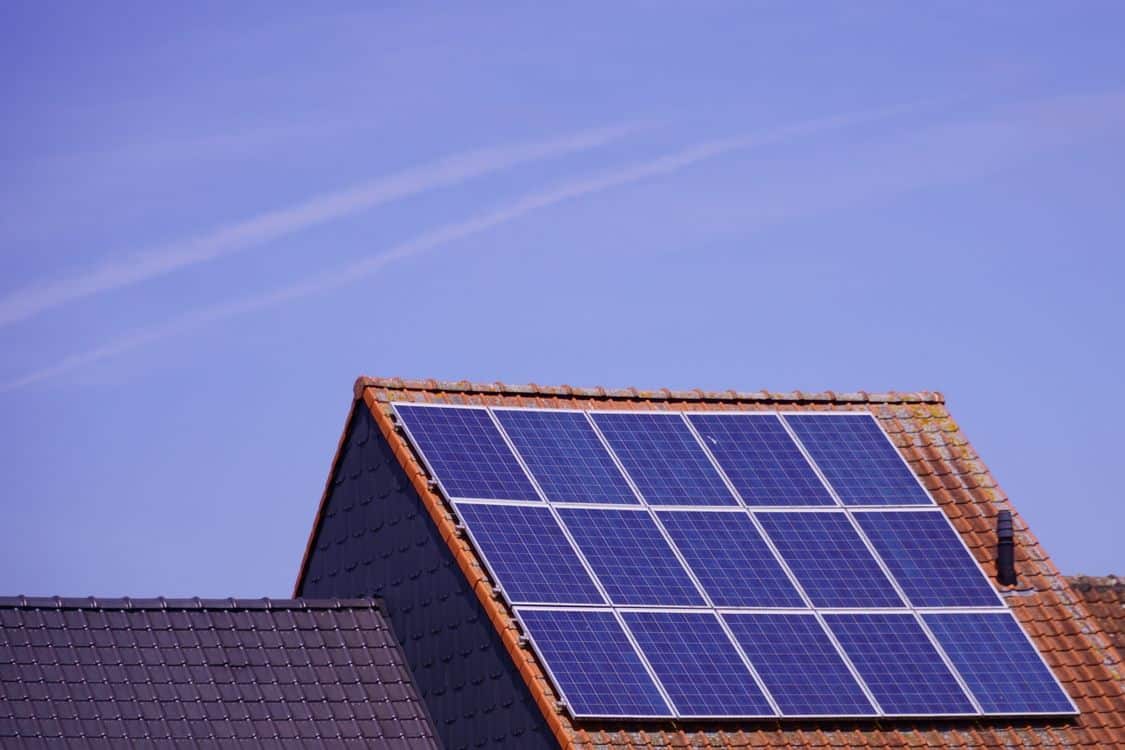

As solar installations continue to expand across Texas, homeowners are facing a planning question that is easy to overlook: what condition is the roof in before the panels go up?
A solar array can last for decades, so installing one on a roof that may need replacement soon can create unnecessary work and expense later.
Understanding how roof condition, replacement timing, and solar installation fit together can help homeowners make a more practical long-term decision.
Texas Solar Growth Makes Roof Condition More Important
Texas’s rapid solar growth means more homeowners will face a practical sequencing question: is the existing roof suitable to remain under a solar array for the life of the installation?
The answer is usually a coordination problem rather than a visual trend. Roof age, remaining service life, penetrations, flashing, and future removal costs all matter before panels are installed.
Austin homeowners considering both projects can save future disruption by evaluating the roof before the solar installation is finalized. If homeowners are already considering a roof replacement in Austin alongside a future solar installation, evaluating the roof first can avoid unnecessary panel removal later.
That can turn two separate upgrades into one planning decision.
The savings are project-specific; scaffolding, permitting, electrical work, and roofing do not automatically overlap enough to guarantee a lower combined price.
Aesthetic coordination can still matter to homeowners, but the bigger planning issue is making sure the roof and solar array are compatible for the long term.
The whole roofline reads as one dark plane instead of a patchwork of textures competing for attention. That’s the kind of detail a renovation account posts because it actually looks good, not because anyone asked them to.
Compare that to older installs, where panels sat visibly raised above mismatched shingle colors, and the shift in what gets photographed makes more sense.
Panel appearance and roof color can be chosen together when aesthetics matter, but structural and waterproofing considerations come first.
Drone and listing photos may highlight the finished look, but roof condition, flashing, mounting, and future service access matter more than appearance.
An uneven, mismatched roof draws the eye in a way a buyer doesn’t consciously register but still reacts to. Agents who’ve watched enough listings sit or move quickly will tell you curb appeal from above matters now almost as much as it does from the street.
Texas Solar Growth Gives the Planning Question Real Scale
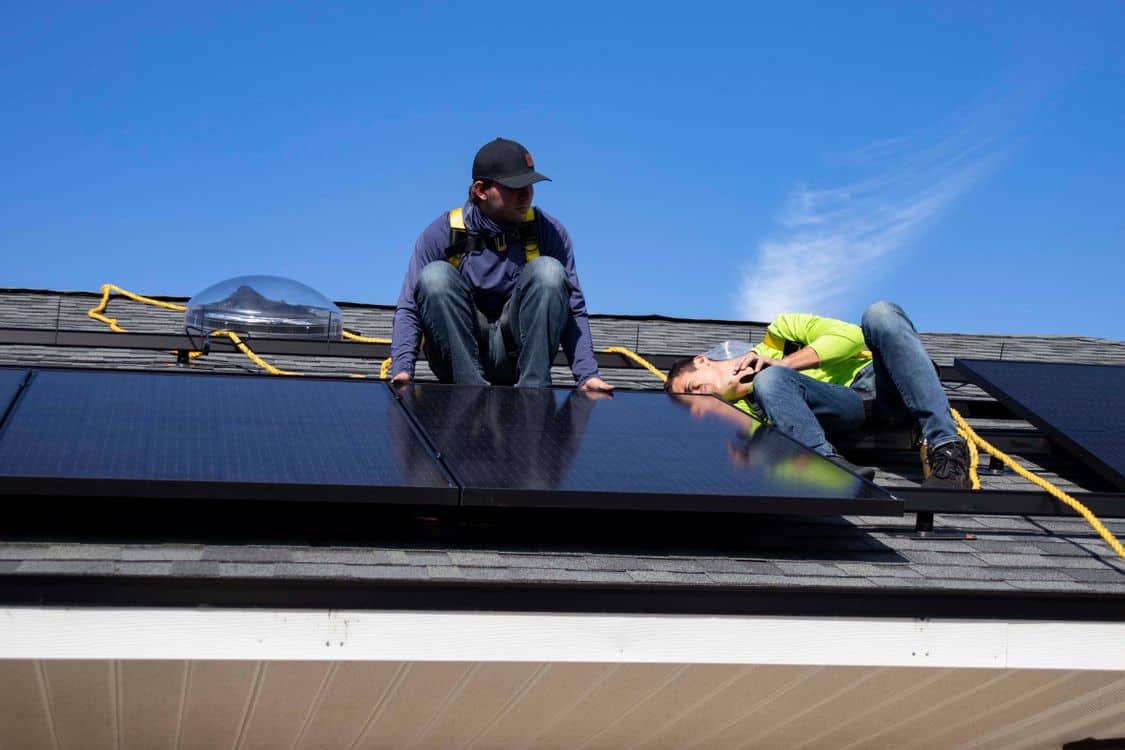
The visual trend tracks a genuine shift in the state’s energy picture. Texas had roughly 53,568 megawatts of solar installed as of this past June, and the Solar Energy Industries Association ranks the state first nationally for projected growth over the next five years.
Every rooftop array depends on the roof beneath it remaining serviceable, which is why installing solar on a roof near the end of its life can create avoidable removal and reinstallation work later.
Before solar goes on an older roof, homeowners can compare the roof’s remaining service life with the expected life of the array and ask both contractors how future reroofing would be handled.
When replacement is already warranted, completing roof work before solar can simplify that future maintenance problem.
Insurance treatment of solar and roof age varies by carrier and policy, so homeowners should ask their insurer rather than assume a universal rule.
The more important early conversation is between the homeowner, roofer, solar installer, and—when relevant—the insurer.
Austin’s hail exposure makes those questions especially worth resolving before panels cover large portions of the roof.
What “Solar-Ready” Planning Actually Means
Planning for solar can mean confirming roof condition, identifying panel layout, coordinating penetrations and flashing, and making sure the roof and solar contractors agree on responsibilities.
Structural reinforcement or special underlayment is not automatically required on every project. Those choices depend on the building, roof assembly, mounting system, engineering, and local code.
Good coordination is mostly about avoiding incompatible assumptions before installation starts.
Poorly planned penetrations can create leak risk, which is why mounting and flashing details should follow the applicable roofing and solar installation requirements.
Austin’s building climate, with its swing between summer heat and sudden hail, makes that margin for error smaller than it would be somewhere milder.
A clean finished roof-and-solar project may photograph well, but the real value is that the two systems were planned to coexist.
That practical planning benefit is supported by the growth of rooftop solar even if no Austin visual trend can be measured.
Central Texas storm exposure can cause roofs to be replaced earlier than age alone would suggest, which makes roof condition particularly important before a long-lived solar array is installed.
There is no universal rule that an Austin roof lasts fifteen years or thirty years; product, installation, ventilation, maintenance, and storm history all matter.
As solar adoption grows, more homeowners will encounter the roof-versus-array timing question.
That overlap is a predictable planning issue as solar adoption grows and more homeowners evaluate the roof and array on the same timeline.
Many roof replacements will have nothing to do with solar, and many solar projects will go onto roofs that need no work.
The useful advice is simply to assess the roof first when both projects are anywhere on the horizon.


