



Failures in high pressure tubing systems create safety hazards, unplanned downtime and steep repair bills. Reducing those failures rests on clear choices about materials, layout and routine care, plus tools that let you spot trouble early.
Small errors in design or installation often grow into major leaks when the system is under load, so a steady attention to detail pays dividends. The paragraphs that follow offer steps and advice to make tubing runs last longer and behave better under stress.
Material Selection
Choosing the right tubing material shapes how long a run will last and how it will fail when pushed hard. Metals such as stainless steel deliver strength and corrosion resistance in harsh fluids while certain engineered polymers offer abrasion tolerance and lower weight where that matters.
Selecting tubing that meets API 5CT standards ensures consistent quality and mechanical performance, giving confidence in high-pressure well applications.
Match the material to fluid chemistry, operating pressure and temperature bands so slow degradation does not sneak up on the line and surprise you at peak demand. Lab testing of candidate samples under representative loads and cycles often reveals weak links that look fine at room conditions.
System Design And Layout
Thoughtful routing reduces stress points, shortens repair paths and makes inspection simpler for the crew on the floor. Favor straight runs and wide radius turns where flow induced vibration and turbulence have less opportunity to excite fittings and clamps.
Place support points with a plan for thermal movement and avoid tight clamps that bite into tubing, and keep lines away from moving equipment and hot surfaces that accelerate wear. Redundancy in critical lines, plus accessible shut off valves, lets you isolate trouble without shutting down the whole process.
Installation Practices
A careful installation is like a good foundation; it stops many failures before they start and makes later troubleshooting clearer. Clean surfaces, correct torque on fittings and careful alignment reduce micro stresses that grow under repeated pressurization cycles.
Use tools meant for tubing work and replace any component that shows nicks or dents from handling, because damaged parts rarely regain full life after rough contact. Keep clear records of the assembly steps and inspections so later teams can track what was changed and why.
Jointing And Seal Techniques
Joints are focal points for leaks, so the choice of connection method and how you assemble it matter a great deal. Welding, mechanical couplings and compression seals each bring trade offs in ease of maintenance, inspection access and tolerance to vibration and misalignment.
Select seal materials that remain stable with the working fluid and temperature so they do not swell, harden or erode under normal cycles. Proper cleaning, alignment and applying the correct torque at build time are often the difference between a long life joint and one that will drip when the pressure rises.
Pressure Control And Surge Management
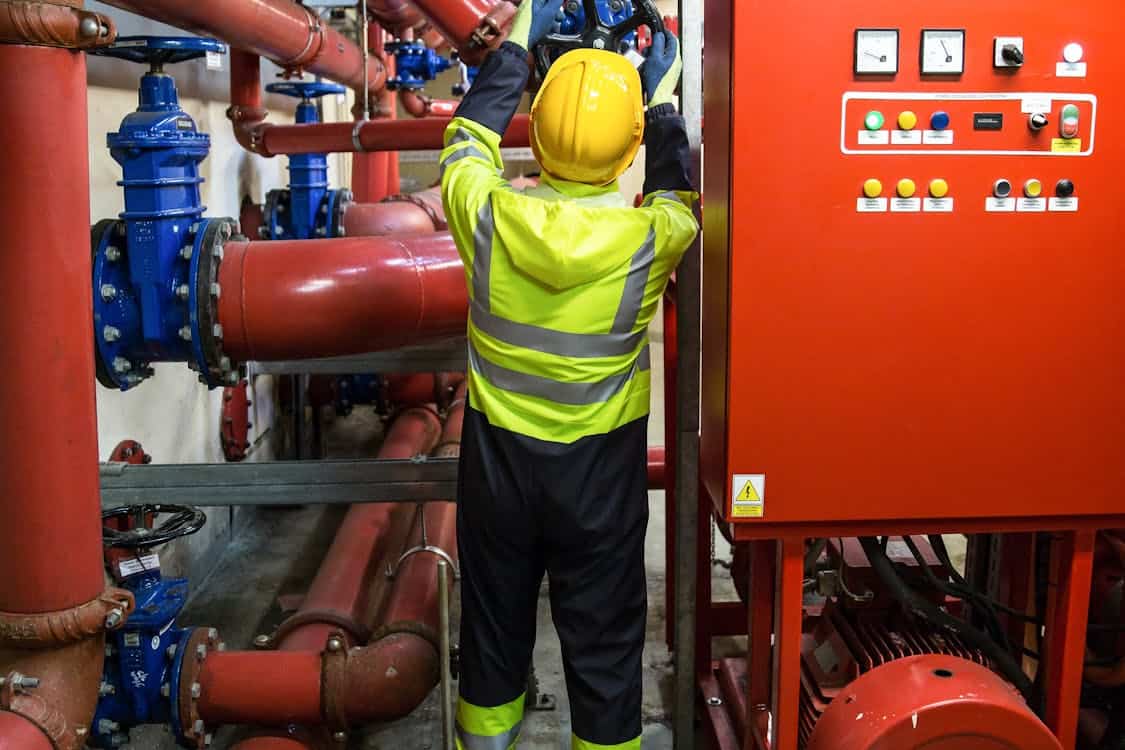
Rapid pressure spikes turn safe systems into failure events in an instant, so manage transients wherever they can occur. Install relief valves and arrestors in strategic locations and use accumulators where a controlled buffer of pressure keeps lines from seeing the full slam of a pump start.
Ramp system pressure slowly during startup so seals and fittings compress in a gentle way and weak points show themselves under controlled conditions. Regular testing and calibration of control devices keeps their response predictable and prevents a quiet erosion of safety margins.
Inspection And Monitoring
Inspection finds wear early and monitoring turns occasional checks into a continuous picture of health that reveals slow changes. Combine visual checks with non destructive testing and logged pressure data so you can correlate a noisy reading with an actual material change.
Automated sensors and alarms shorten the time from fault to action and help the team close the gap between detection and repair. Trend analysis of historical data points gives clear signals about where to focus maintenance investment and which runs deserve closer attention.
Corrosion Control And Protective Measures
Corrosion reduces section strength and turns a once reliable tube into a liability under load. Apply appropriate coatings, inhibitors or sacrificial anodes that suit both the fluid and the ambient environment so protective layers do not fail unexpectedly.
Control stray electrical currents and separate dissimilar metals where galvanic action would defeat your protective plans. Remove corroded bits as soon as they show up, because a small patch taken out early keeps downtime brief and repair scopes limited.
Temperature Management And Thermal Effects
Temperature swings drive expansion and contraction cycles that create fatigue over time, so think about thermal management from the outset. Insulation, expansion loops and carefully placed supports ease the strain that otherwise concentrates at joints and transitions between materials.
Give clearance from hot equipment and plan for gradual temperature ramps during start and stop sequences so material properties are not driven into unsafe regions. Add thermal alarms or cutouts to catch excursions before repeating cycles cause a crack to grow.
Training And Procedures
A smart design still fails if the people who maintain and operate the system do not know what to do when signals shift. Prepare short clear procedures for routine maintenance, startup and emergency shutdown that staff can follow under pressure and teach them with hands on drills.
Regular practice keeps reaction time low and builds confidence so repairs happen cleanly and fast when a leak shows up. Encourage reporting of near misses and small anomalies so the team can nip developing problems in the bud and avoid larger repairs later.
Root Cause Analysis And Feedback
When a failure happens, a structured root cause review takes you past a quick patch to the fixes that stop repeats. Collect failure samples, photos and operational logs and run tests that separate surface symptoms from deeper mechanisms such as fatigue, corrosion or assembly error.
Feed the lessons back into procurement specifications, training and the next design revision so the same pattern does not recur. Keep the loop short between finding a cause, applying a fix and updating procedures so organizational memory grows with every event.


