
Buying a new water heater touches everyday life in a few plain ways, from the first warm shower in the morning to the size of your utility bills. The decision can feel heavy when you weigh options on fuel type, tank size, and long term costs, so a clear plan helps.
Think about how your household uses hot water, how much space you have, and what kind of maintenance you want to live with for the next decade or so. A careful look at five core areas will make the choice less of a guess and more of a smart buy.
1. Fuel Type And Energy Efficiency
Fuel choice affects how the unit runs and where it fits in your home, with electric, gas, heat pump, and solar driven designs each having a distinct profile that changes operating costs and installation needs. Gas units often heat water fast and can lead to lower energy bills in areas where natural gas is cheap, while electric tanks use simpler hooks and can be easier on the wallet at purchase time.
Heat pump models lift efficiency by moving heat rather than making it and can cut energy use sharply in mild spaces, though they need room to breathe and a dry location for best performance. Solar assisted systems can reduce energy purchases on sunny days, but they usually need roof space and a reliable backup source for cloudy stretches.
Look for official efficiency numbers such as the UEF rating and compare them in the context of local fuel prices and hot water habits to figure out which metric matters most for you. A higher rating means the unit turns a larger share of fuel or electricity into usable hot water, which will show up as lower bills over months and years.
Utilities and local governments sometimes offer rebates for high efficiency models, which can change the financial math when you add those incentives to operating savings. Think beyond the sticker price and weigh lifetime cost against comfort, with an eye for how your family actually uses hot water day to day.
2. Capacity And Recovery Rate
Tank capacity tells you how many gallons of ready hot water sit on hand, and matching that figure with household demand keeps showers from going cold when the dishwasher runs. Large families or homes with multiple baths and heavy laundry will tend to need bigger tanks, while singles and couples often do fine with smaller cylinders or point of use units that deliver water close to where it is used.
Tankless units do not store water but offer continuous flow, so they need to be sized for peak simultaneous use such as two showers plus a dishwasher running at once. A system that cannot keep up will deliver lower temperatures at the tap during busy periods, which is frustrating at best and disruptive at worst.
Recovery rate measures how fast a tank can heat a fresh supply after use and is a critical complement to capacity when you compare models, because a big tank with a slow recovery can still fall short on back to back showers. Look for first hour ratings on tank models and gallons per minute numbers at specific temperature rises for tankless versions to line up with your peak needs.
When hard water or heavy sediment loads are part of the picture, effective recovery can be slowed and real world performance will differ from lab numbers, so ask about local experience or talk to installers who know the area. Sizing charts from manufacturers or local suppliers give a practical path to match unit output to real patterns of use.
3. Size And Installation Requirements
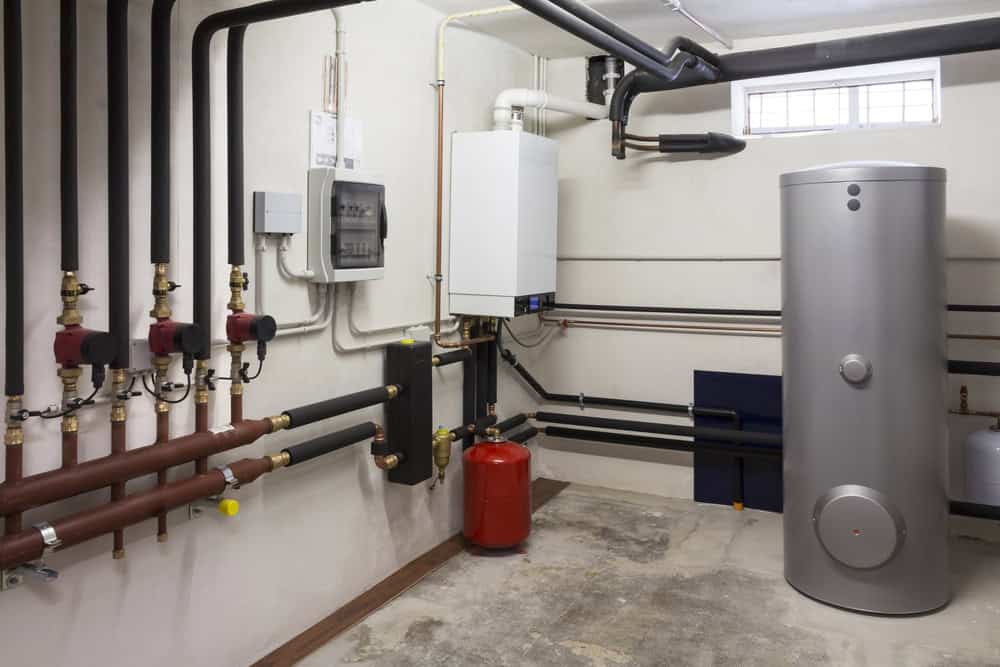
Physical footprint and clearance are often overlooked until the new unit arrives, so measure height, width, and access paths before you buy and keep service access in mind for routine checks. Gas units need proper venting and combustion air which can involve new duct runs or changes to the space around the unit, and those modifications can add labor and cost.
Electric tanks and heat pump systems have varying electrical demands, from simple circuit upgrades to full panel work, and that work can affect the overall budget and timeline.
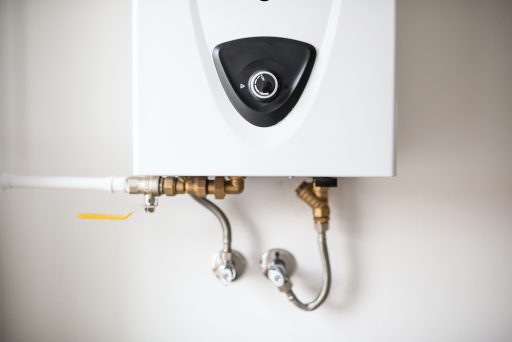
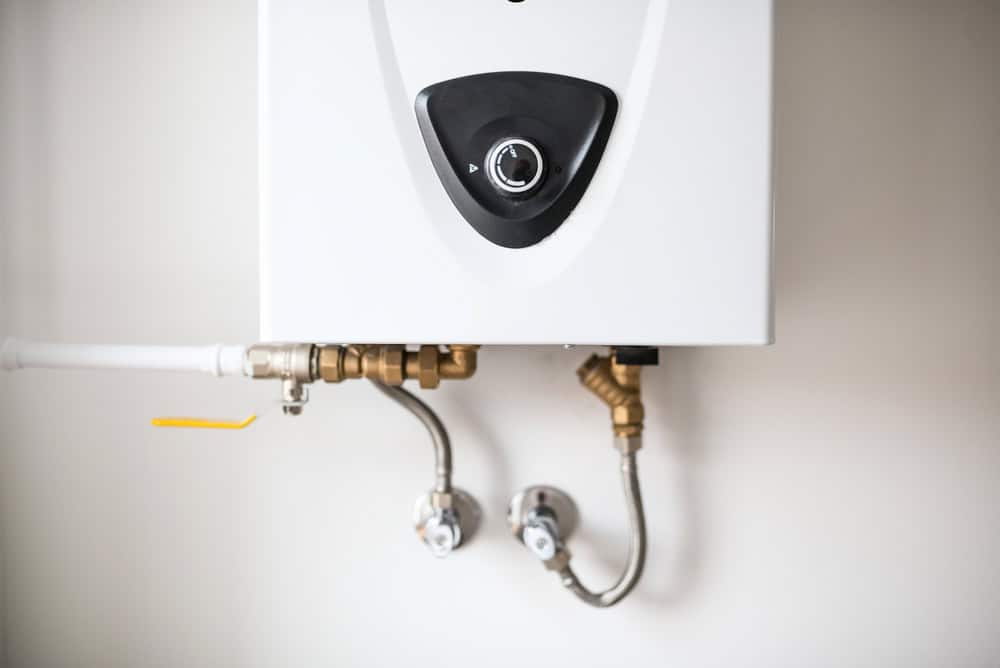
If you’re designing a modern home, the latest tankless water heaters for new homes are an excellent option, offering compact designs that save space while providing endless hot water. If your utility room is tight, a compact tank or wall mounted tankless design could be a smart route, but the trade off is different service needs and sometimes higher upfront cost.
Local building codes influence what is allowed where you live, and permits or inspections are often part of a lawful installation that keeps things safe and sells cleanly later on. Many manufacturers include clauses that require licensed installation to keep the warranty in force, so hiring a trained installer is often the safer bet if you want that protection to stand up.
Think about pipe routing, gas line condition, and whether a new vent chase or condensate drain is needed for certain high efficiency models. Budgeting for potential upgrades up front avoids surprises on the day the electrician or plumber shows up.
4. Maintenance Needs And Lifespan
Routine care makes a big difference to how long a water heater will run well, and basic acts like flushing the tank to remove sediment or changing a sacrificial anode rod can extend life and save worry. Tankless models trade routine flushes for scale control and filter checks, and if your water is hard you will run into mineral buildup more quickly without a treatment plan.
Heat pump systems and solar setups have extra components such as compressors and collectors that need seasonal checks and occasional part service, which increases the scope of maintenance. If you like to do some of the upkeep yourself, pick a model that fits your comfort level and available time for chores.
Typical lifespans vary with type and care, with conventional tanks often lasting around a decade and well maintained tankless systems running longer, and those numbers shift with water quality and usage patterns. Watch for early warning signs like rust, leaks, shrieks of trapped air, or wildly fluctuating temperatures, because spotting trouble early reduces repair bills.
Hard water accelerates wear on elements and tanks, so in some locales adding a softener or sediment filter can be a cost effective move to extend service life. Keeping a simple log of service dates and parts changes helps when it comes time to sell the home or diagnose a nagging issue.
5. Cost And Warranty
Price ranges span from basic economy models up to feature rich units that command a premium, so balance immediate cash outlay with expected operating bills and likely maintenance over the years to reach a fair comparison. A higher efficiency model can reduce monthly utility costs enough to justify extra dollars up front in many cases, but the real answer rests in the arithmetic of local energy rates and how often hot water is used.
Factor in estimated repair frequencies and part costs if you do not plan to replace the unit for a decade, and look into rebates that can tilt the value equation in favor of greener models. Warranties and service terms sometimes offset purchase pain, making a pricier unit a smarter buy on paper.
Scrutinize warranty language to see what is covered and for how long, noting the differences between tank coverage, parts, and labor protection and any conditions that void the agreement. Some warranties prorate coverage over time rather than replace the unit outright, which changes the post failure picture and the sums you would pay for repair.
Check whether routine maintenance by a licensed technician is required to keep coverage active, and confirm whether transfers to a new owner are allowed if you sell the property. If you are offered an extended warranty, read the fine points and compare the extra cost against likely repair bills so you are not paying twice for a fix.