
If you snorkeled the Kona coast a decade ago and you go back this year, you may notice the reef looks different, and not in the way a single bad day or a stirred-up swell can explain. The change is part of something far larger than any one bay. Between early 2023 and the middle of 2025, the world’s coral reefs went through the most extensive bleaching event ever recorded, and Hawaii sat squarely inside it.
Understanding what happened, and what it does and does not mean for an underwater visit, helps set honest expectations. A snorkeler who shows up expecting either a flawless technicolor garden or a dead gray wasteland will both be wrong, and the truth in between is more interesting than either.
A Global Event That Reached Hawaii
The scale is hard to overstate. According to the International Coral Reef Initiative, which declared the event in April 2024, the fourth global coral bleaching event ultimately exposed about 84 percent of the world’s coral reef area to bleaching-level heat stress across the Pacific, Atlantic, and Indian Ocean basins. Mass bleaching turned up in more than 80 countries and territories. It was the second such global event in a decade, and it surpassed the previous record holder, the 2014 to 2017 event, which had affected roughly two-thirds of the planet’s reefs.
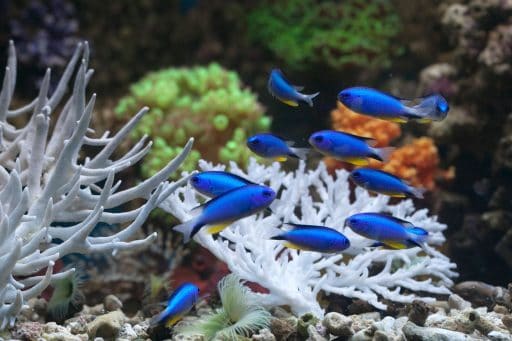
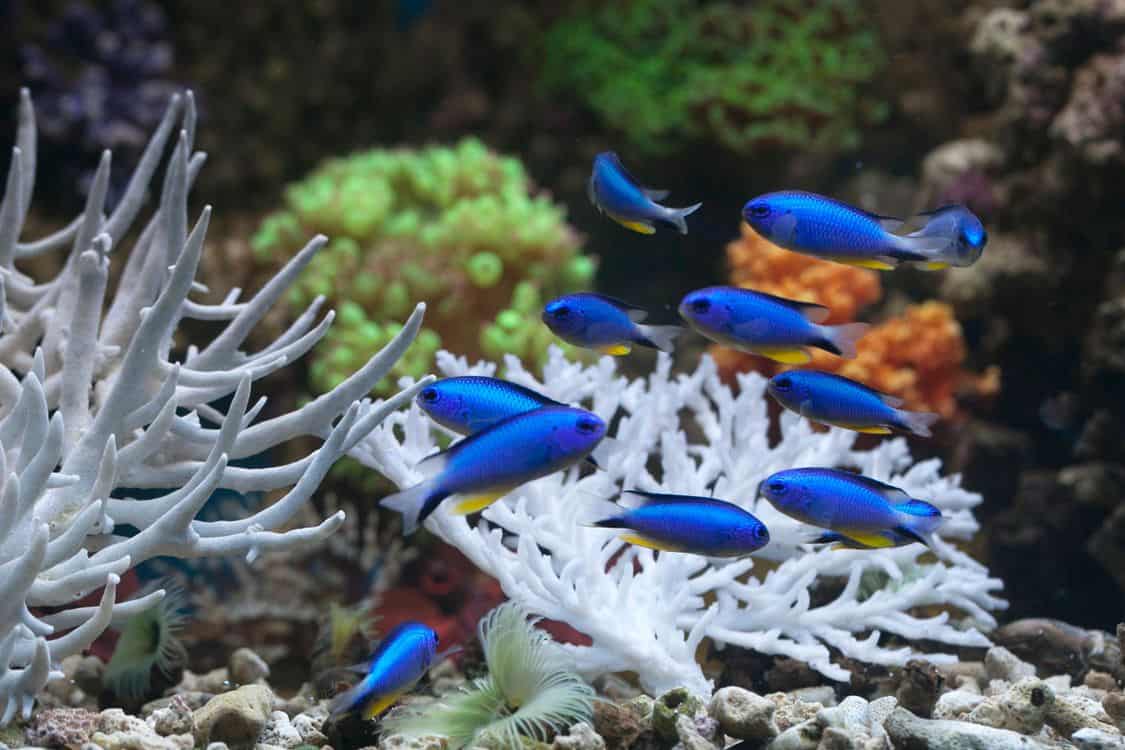
Bleaching itself is a stress response, not an automatic death sentence, and the distinction matters enormously for what a snorkeler actually sees. Reef-building corals live in partnership with microscopic algae that give them both color and a large share of their food. When the water gets too warm for too long, the coral expels those algae and turns ghostly white. A bleached coral is not dead. It is starving and stressed, and if the heat backs off in time, it can take its algae back and recover. If the heat persists, it dies.
NOAA determined that this fourth event likely wound down in the middle of 2025, after heat stress declined and a final round of severe bleaching in Western Australia appeared to close it out. That is the good news, qualified heavily. The same outlook flagged a high risk of renewed bleaching across much of the north Pacific, Hawaii included, as ocean temperatures stay elevated and the next El Niño builds. Reefs are now in an era where bleaching recurs on something close to an annual rhythm.
What That Looks Like From the Surface
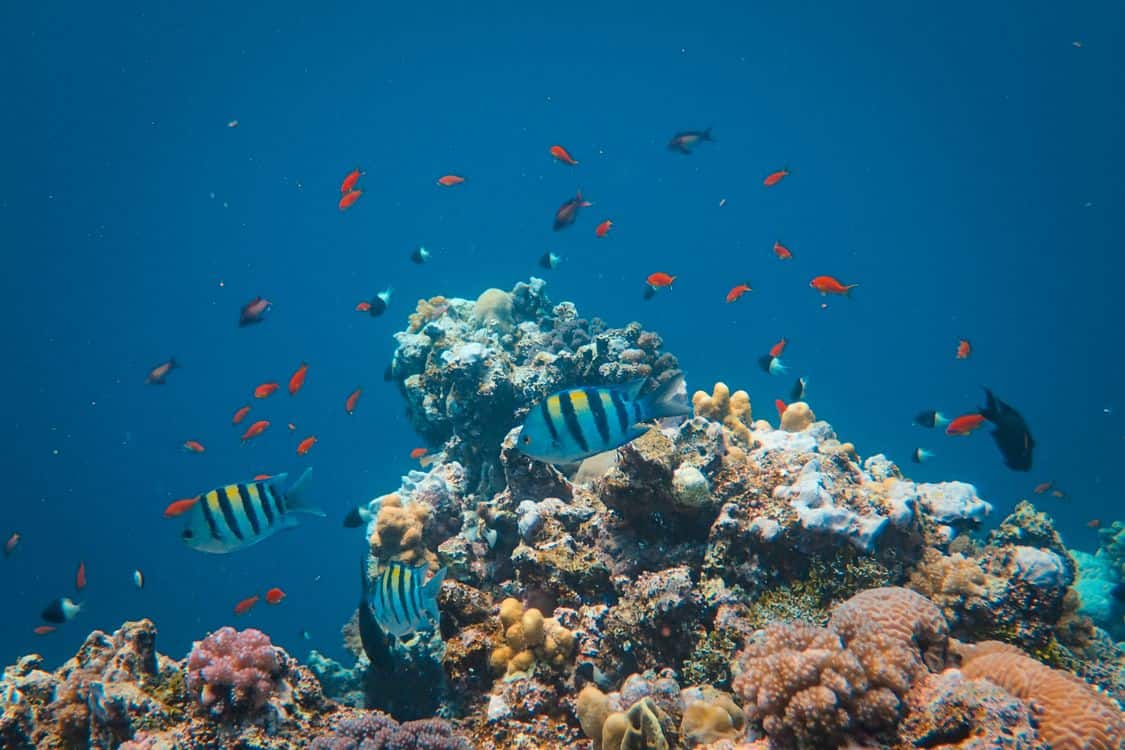
Here is the part that gets lost in the grim headlines. A reef that has been through bleaching is not an empty one. Snorkelers in Hawaii consistently report that even where coral has paled, the water is still full of life: schools of reef fish feeding over the structure, the occasional turtle, patches of vibrant coral mixed into the stressed sections. Coral, fish, and the rest of the ecosystem are not the same thing, and the loss of color does not mean the loss of the animals that depend on the reef.
So a Kona snorkel in the current era tends to deliver a mixed scene rather than a uniform one. You will likely see living, colored coral alongside bleached or recovering sections. You will see abundant fish almost regardless. What you are looking at is a reef under pressure that is still very much functioning, which is both more sobering and more hopeful than the cartoon versions at either extreme.
It also changes what a good guide talks about. The reefs that resisted bleaching even under high temperatures are now of intense scientific interest, because something let them tolerate the heat, and understanding it could shape restoration everywhere. A snorkel guide who can point out which corals are stressed, which are bouncing back, and why some patches held on is offering a far richer experience than one who just names fish.
Why the Snorkeler Is Part of the Equation
The most useful thing to know before getting in is that local stressors and global heat compound each other, and the local ones are the part a visitor can actually influence. Corals that are spared pollution, physical damage, and other nearby pressures recover from heat far better than corals fighting on every front at once. That turns each snorkeler into a small variable in the reef’s odds.
The practical implications are unglamorous and entirely within reach. Do not touch, stand on, or kick the coral, because a stressed colony has no margin for a careless fin. Use mineral sunscreen rather than the chemical formulas that damage coral and are restricted in Hawaii anyway. Keep your distance and let the reef be. Operators that walk guests through this before they get in — one Kona outfit lays out its approach at mantaraynightsnorkelkona.com — turn each visitor into a small plus for the reef rather than a minus. None of it reverses ocean warming, which is a problem far above any individual’s pay grade. But it tilts the local odds for the specific corals you are floating over, and across thousands of visitors a year those small choices add up.
The fourth global bleaching event is a warning written across the entire ocean. Off Kona, the warning is also an invitation to see a living system in a pivotal moment, honestly, without pretending the reef is either pristine or finished. It is neither. It is hanging on, and the people who visit it carefully are part of what determines how well it does.