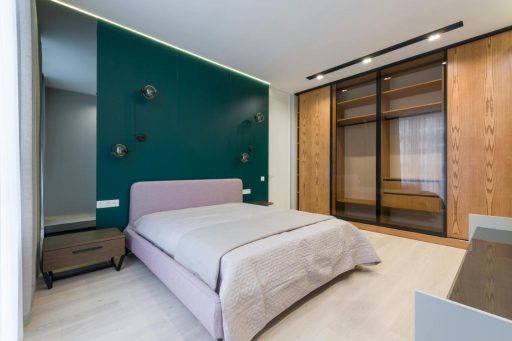
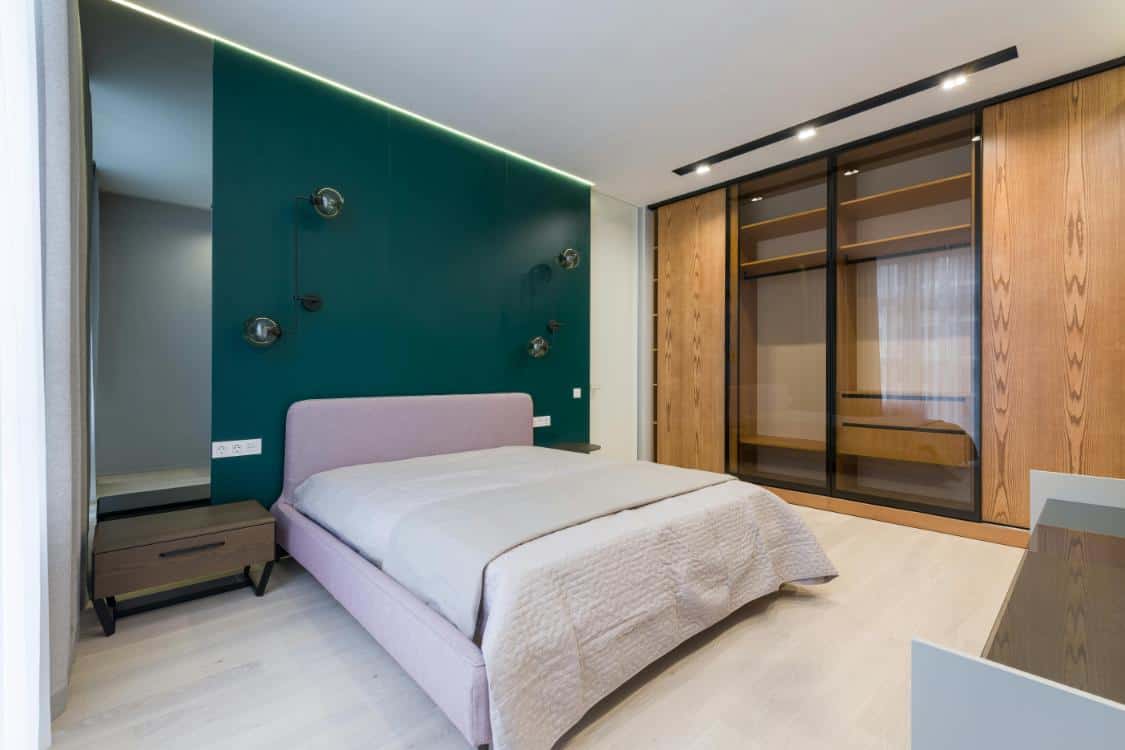

A well thought out wardrobe can feel like a natural extension of a minimal interior rather than an afterthought. When storage meets restraint the room gains clarity and becomes easier to live in.
Small choices about finish scale and hardware have an outsize effect on mood and movement in a space. The goal is to make clothing and accessories part of the scene so that they help tell a simple and coherent story.
Choose A Coherent Color Scheme
Pick a narrow palette that echoes the main tones of the room so the wardrobe reads as part of the whole and not an island. Light neutrals give the room air while deeper tones add a sense of depth without shouting for attention.
Add a single soft accent inside the wardrobe for a quiet surprise that still keeps visual calm. Test samples under morning and evening light before committing to a full run so nothing clashes once the sun moves.
Play With Texture And Tone
Minimal interiors often trade busy patterns for subtle shifts in touch and finish so use that idea when selecting door materials. A matte painted door will read differently from a fine wood veneer yet both can sit comfortably in the same room if their tones are tuned.
Introduce fabric panels or ribbed finishes in small doses to create interest without creating noise and breathe life into a flat surface. The devil is in the details so focus on how light and hand feel change perception when you walk past the wardrobe.
Keep Scale And Proportion In Mind
A wardrobe that fights the room will always look awkward so let scale guide decisions about depth height and placement. Full height built in pieces can anchor a wall while a low chest keeps sight lines open and connects with other furniture without overwhelming the eye.
Balance is about rhythm and repetition so echo proportions found elsewhere such as door widths or window height to keep things grounded. Measure twice and plan once so the end result fits both the body and the space.
Prioritize Functional Storage Styling
Neat interiors start with clever internal planning that respects the way clothes live and breathe rather than piling everything into one cavernous void. Compartmentalize into zones for hanging folded items accessories and seasonal gear so daily routines become effortless.
Use pull out trays and shallow drawers where you reach most and reserve deeper shelves for odd shaped items that do not need daily access. A tidy interior is half the battle and it will help the outer face stay calm and uncluttered.
Use Furniture As Transition Elements
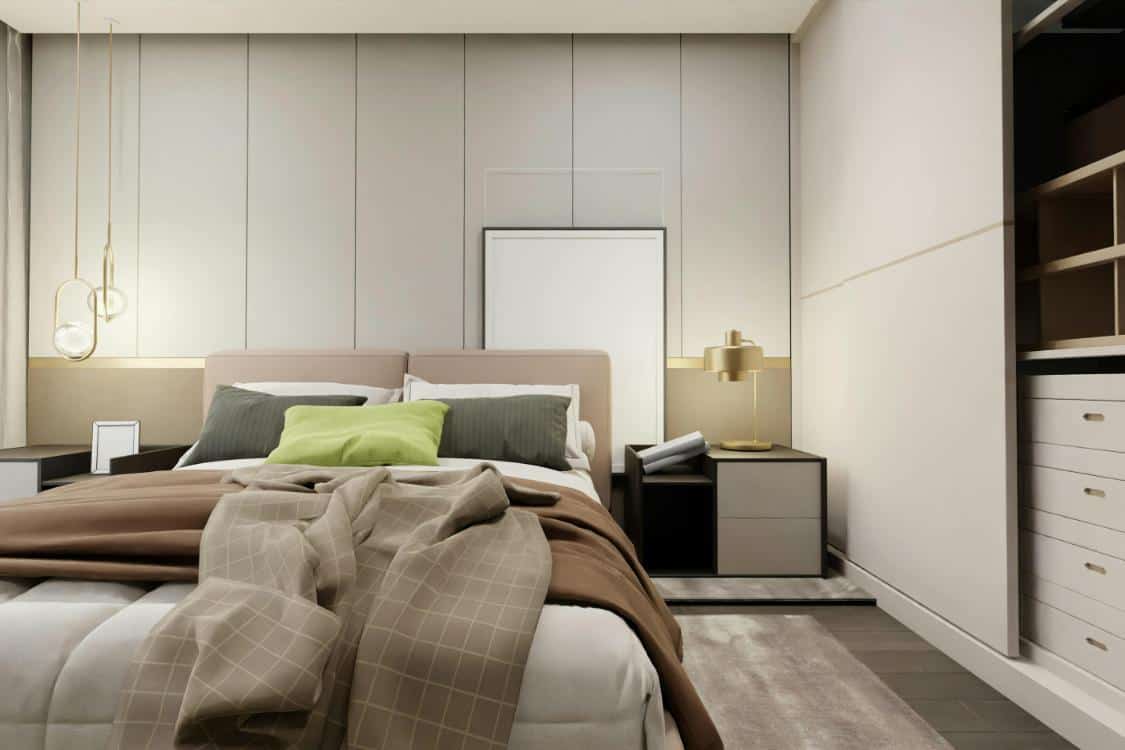
Wardrobes need not stand alone like islands of storage; they can work with surrounding furniture to create a gentle flow in the room. Match proportions with a bedside table or align finishes with a low console to form a visual run that leads the eye without stopping it.
When a wardrobe sits next to a seating area let small shared elements such as handle finish or a repeating color tie them together. These quiet echoes give the room cohesion and make it obvious that thought went into placement and choice.
Light And Reflection Strategies
Good lighting transforms a wardrobe from a mere box into a helpful and even beautiful object in the room so think about both task and mood light. Internal LEDs that switch on when a door opens cut down on fumbling and keep the outer face uncluttered while exterior uplights and downlights can sculpt the wall and highlight texture.
For those who enjoy a hands-on project, DIY mirror sliding wardrobe doors can combine light reflection with practical storage without needing a professional installer.
Mirrored doors expand a small room and bounce daylight while frosted glass softens reflection and keeps contents private. A bright idea in the wrong spot can look awkward so test positions and angles before final installation.
Embrace Negative Space With Purpose
Minimal interiors thrive on breathing room and the wardrobe should respect that by giving visual and physical clearance to surrounding elements. Leave a margin of wall or empty shelf nearby so the piece does not look glued to every surface and allow air to carry the eye.
Negative space should feel intentional not neglected and it often serves as the frame that makes the wardrobe readable. Less is more when the emptiness is chosen and curated rather than left by accident.
Personalize With Artful Restraint
Personal items make a room feel lived in but too many tokens will undo the calm of a minimal interior so aim for a few meaningful pieces displayed with care. Rotate objects and keep a single style of frame or pedestal to create a coherent mini gallery that complements the wardrobe rather than competes with it.
A small cluster of books or a favorite hat on top of a low chest can be the seasoning that brings warmth without clutter. Put your stamp on the room in ways that invite a smile and still let space breathe.