


Offshore pumps keep vital systems moving across platforms and vessels and their health cannot be taken lightly. A clear plan for inspection and service helps cut downtime and keeps safety levels high. Service intervals are shaped by workload, seawater exposure and the pump role in operations, so a one size fits all timetable rarely fits the bill.
Factors That Determine Service Frequency
Service timing will vary with how hard a pump works and the nature of the fluids it handles. Pumps that push seawater, slurries or fluids with solids often call for more frequent attention than those with clean liquids.
The installation environment adds stress because salt spray, humidity and vibration speed up wear and corrosion. Components such as seals, bearings and couplings show wear signs sooner under harsh duty and drive shorter service cycles.
Manufacturer Recommendations And Service Records
The maker of the pump provides baseline intervals and torque, clearance and lubricant specs that should be the starting point for any plan. Factory manuals may recommend routine checks by hours run or calendar time and those notes protect warranty and guide safe practice.
Historical service logs offer a clearer picture because they show trends in failure modes and parts life and let teams tune intervals. Treat the manual as a living guide and adjust based on what the logs reveal about real world performance.
Routine Visual And Basic Operational Checks
Quick daily or weekly rounds catch leaks, loose fasteners and abnormal noise before small faults grow into big problems. Simple checks include listening for unusual sounds, feeling for hot bearings and scanning seals for seepage or salt build up.
For operators who want expert maintenance and quick response, industrial diesel service ensures offshore pumps stay reliable and downtime is minimized. Recording any minor change gives maintenance staff a baseline and makes patterns easier to spot later on. Those small efforts often pay off in fewer emergency call outs and lower repair bills.
Lubrication And Oil Analysis Practices
Grease and oil keep bearings and gears happy so a proper regimen matters more than a calendar stamp. Grease intervals might be monthly or set by run time while oil systems should be sampled and analyzed at set points to track contamination and wear metals.
A fluid test that shows rising iron or copper calls for attention before bearings suffer catastrophic damage. Treat oil health as a barometer of internal wear and let trending tests guide larger service actions.
Vibration And Condition Based Monitoring
Vibration checks flag misalignment, imbalance and looseness early so condition based monitoring can stretch the life of parts without surprise failures. Modern sensors gather vibration, temperature and speed data and feed it into simple trending tools that highlight change in hours or days.
Teams can schedule targeted repairs when a signal crosses a threshold instead of guessing at calendar intervals. This smarter approach reduces waste and keeps downtime predictable rather than guessing by gut.
Major Overhaul Timelines And Spare Parts
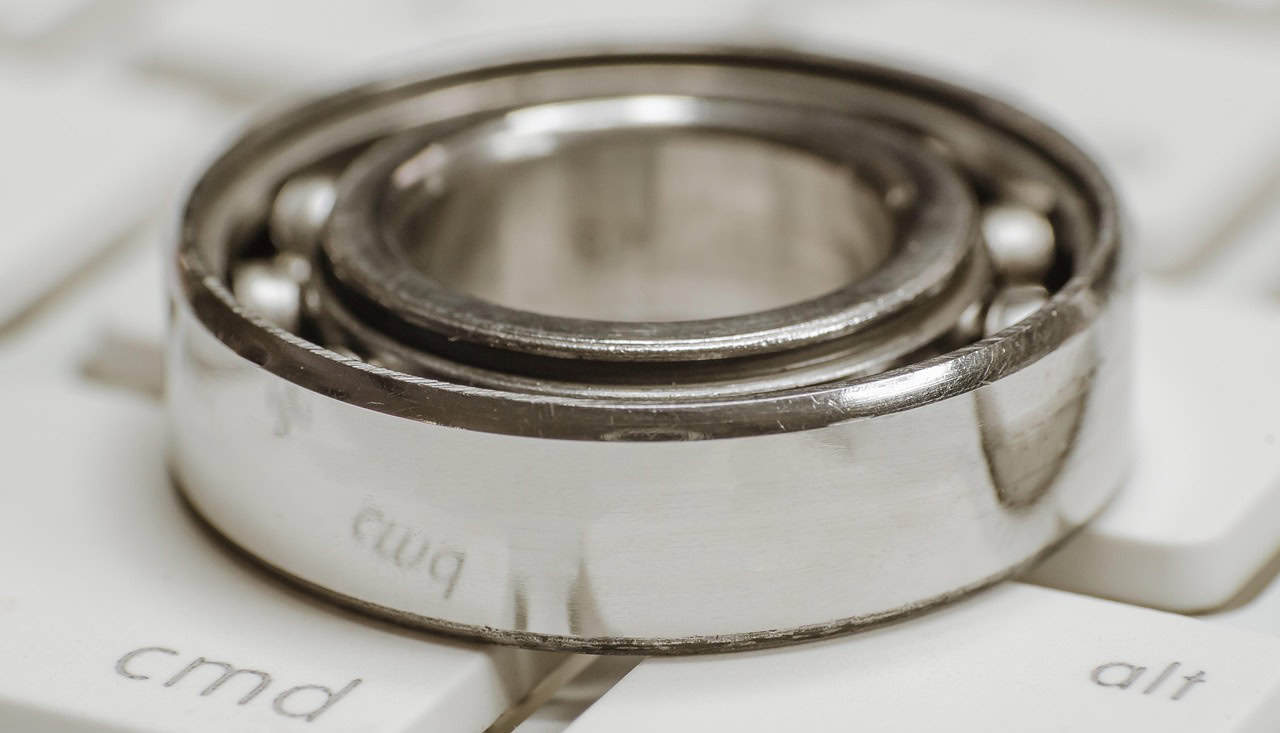
A full strip down and rebuild tends to be scheduled in multi year blocks and often aligns with planned platform outages or drydock slots. Typical intervals for a heavy duty offshore pump run from two to five years but use history and duty cycle to set the exact window.
Overhaul includes replacement of wear rings, seals, bearings and alignment correction so ordering spares well ahead cuts idle time. A healthy stock of critical parts limits the pressure when a unit needs an extended repair.
Regulatory Inspections And Classification Surveys
Statutory checks and classification society surveys impose hard dates for inspection and proof of maintenance, and those must slot into any service plan. Inspectors focus on safety barriers, containment for leaks and proof that critical rotating equipment is managed within acceptable limits.
Clear records and a routine that meets survey points reduce hassle and speed approvals at the gate. Non compliance carries fines or operational limits that nobody wants to face mid shift.
Signs Your Pump Needs Immediate Attention
Loss of prime, sudden rise in vibration, rapid oil degradation and hot bearings are red flags that call for swift action. A sharp drop in flow rate or a new rhythmic noise often marks an internal failure such as worn impeller clearances or cavitation damage.
If a unit begins to rattle or smoke, isolate and inspect rather than pushing through and risking collateral damage. Quick reaction to these signs keeps repair scope smaller and gets the system back to work sooner.
Planning A Maintenance Schedule For Offshore Duty
Create a tiered plan that mixes daily quick checks, routine preventive tasks and measured condition based campaigns tied to run hours. Assign clear roles and logging procedures so information moves from deck crew to maintenance planner without losing detail.
Factor in tight windows for drydocking or platform turnarounds and align bigger tasks to those events to minimize lost production. A living schedule that learns from failures and adapts over time keeps pumps steady and operations calm.